
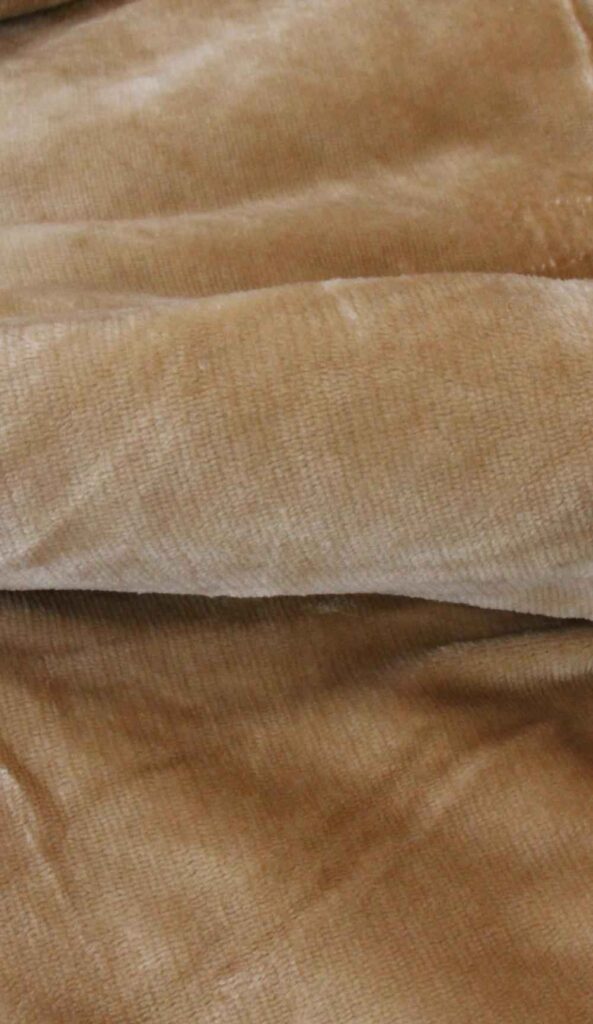
If a buyer later receives the exact offered quilt, record visible differences against the specifically agreed reference using actual item identifiers and supporting files. Keep the observation, unresolved questions, supplier explanation and any agreed next step separate. A visual record does not establish a defect, cause, filling, performance or remedy, and a prepared form is not evidence that delivery or inspection occurred.
The historical Zming Textile Double-Sided Flannel Warm Quilt page and its reviewed catalogue scene identify the product discussion. Warm is catalogue wording, not a measured result. The scene does not establish internal construction or washing and drying suitability. This conditional receiving task is separate from care wording for a filled construction, edge-detail references and commercial charge lines.
Identify what was actually received
Start with the order or enquiry reference actually supplied by the buyer. If a delivery occurs, record the available item identifiers and the relationship to the supplier’s offer. Keep buyer labels, supplier descriptions and any observed marking in separate fields. A familiar pattern or scene does not prove that the received item is the exact offered version.
If that relationship remains uncertain, record the question before comparing details. The catalogue page identifies the enquiry; the actual offer and receiving evidence identify the particular item. If receipt has not occurred or has not been observed, leave receiving results absent rather than completing the form with a hypothetical delivery.
Choose an applicable approved reference
Record the exact agreed file or sample reference, revision and known approval scope. A catalogue illustration used early in an enquiry does not automatically become an agreed production reference. Preserve the historical scene, actual offer and any later approved proof in their separate roles so another reviewer understands what the comparison uses.
Different records can answer different questions. A care-copy record concerns its stated wording and applicable product; an edge-detail image may show a particular visible area; a quotation identifies commercial scope. Do not make one record verify internal filling or material simply because it belongs to the same product folder.
Describe only what the comparison shows
Name the visible area, the received-item file and the agreed comparison file. Describe the difference supported by those actual records, or state that the view does not permit a usable observation. A broad quality verdict conceals the reference and evidence behind the judgement and may imply a conclusion not established by the comparison.
An observed difference and its cause are separate matters. Item identity, reference applicability and any relevant agreed requirements still matter. Preserve any explanation actually supplied as an attributed response. Do not infer manufacturing fault, transit cause, a tolerance or a remedy entitlement merely because two files look different.
Use a limited receiving record
Record field | Actual information to retain | Boundary to preserve
Delivery status | Recorded receipt, not observed or unknown | Prepared form does not establish delivery
Item identity | Available identifiers and offer link | Pattern resemblance does not establish version
Agreed comparison | Exact file or sample and known revision | Catalogue scene is not automatic approval
Visible observation | Named area and actual supporting file pair | Difference alone is not defect or cause
Not assessed | Hidden feature, missing view or uncertain scope | No filling, weight or warmth inference
Supplier response | Attributed explanation or unanswered question | No assumed inspection or remedy service
Buyer next step | Actual agreed action, reviewer and date | No invented refund, replacement or compensation
Keep dates attached to their actual events. An observation date, a photograph-file event, a supplier reply and an internal review are different facts. If one is unavailable, retain that gap instead of borrowing another timestamp. Preserve separate reviewer entries where colleagues examine different files or use different references.
Keep image roles distinct
Use separate identifiers for received-item evidence, catalogue illustrations and approved comparison records. Preserve original files where available. If a later file arrives, record whether it adds a view, replaces a named image or depicts another item. A copied catalogue filename does not establish that a picture shows delivered goods.
The historical scene remains an appearance reference. It does not verify material, filling, weight, warmth, safe condition or care suitability. An attractive surface image can leave internal construction entirely unobserved. Record that limitation rather than treating a closer view as a performance test or a complete material inspection.
Ask a reference-specific question
Send the supplier the received-item identifier, agreed comparison, neutral observation and the specific evidence gap. Ask which reference applies to the offered version and what available information addresses the question. This is an evidence request, not a promise of additional photographs, inspection, replacement or another service.
The record supplies no testing, washing, drying, manufacture or repair procedure. It does not recommend altering an item to expose hidden features. Its purpose is the attribution of actual visible evidence and named references, with unobserved and unassessed points retained for a clearer discussion.
Preserve the sequence of responses
If the supplier identifies another applicable reference, keep the original comparison and add the new relationship. A later review should show what changed in its evidence basis. Do not rewrite an earlier observation as though a later explanation had always been known, or turn an unanswered question into a finding of fault.
Record only an actual buyer disposition or agreed next step. It may concern a clarification request or the sufficiency of a specific file pair. Closing an administrative task does not establish acceptance, warranty coverage, safety or entitlement to a commercial remedy. Keep unresolved questions beside any decision.
Frequently asked questions
Does the catalogue word Warm establish a measured result?
No. It is historical catalogue wording. This visual record does not verify warmth, filling, weight, safety or performance, and the scene is not evidence of an internal construction assessment.
Can a visible difference establish transit damage?
No. Record the observation and references while retaining item and approval-scope questions. A cause, defect and remedy require further applicable evidence rather than an assumption from appearance.
What should be entered before delivery occurs?
Mark the form as prepared for possible future use and leave receiving results absent. Do not invent dates, quantities, visible differences or inspection decisions to demonstrate a completed record.
Does this record supply washing or drying instructions?
No. It organises actual visible files and references. It provides no care, testing, manufacture or repair procedure and does not establish washing or drying suitability.
Open an exact-item clarification
Use the historical quilt page when identifying the enquiry with Zming Textile. If a delivery later occurs, retain the actual item identifier and applicable approved reference before describing differences. Keep explanations and any next decision separate from the initial observation.
Product reference
https://zmingtextile.com/product/double-sided-flannel-warm-quilt/
Contact the supplier
https://zmingtextile.com/contact/
Related buying articles
https://zmingtextile.com/blog/