
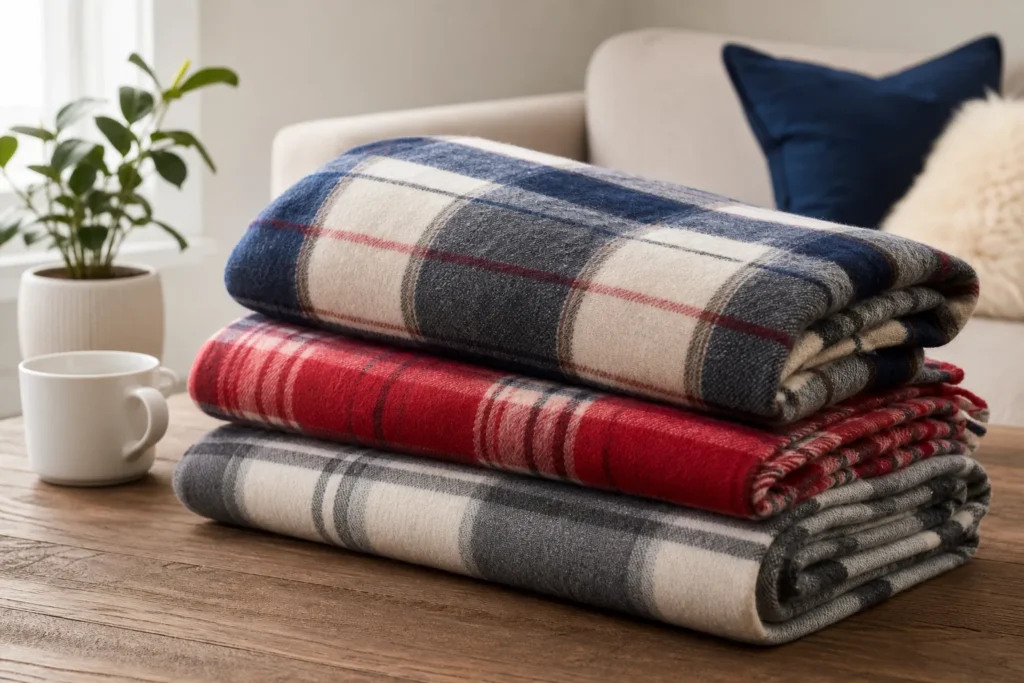
Flannel Blanket Guide: Choosing, Caring, and Benefits for Beginners
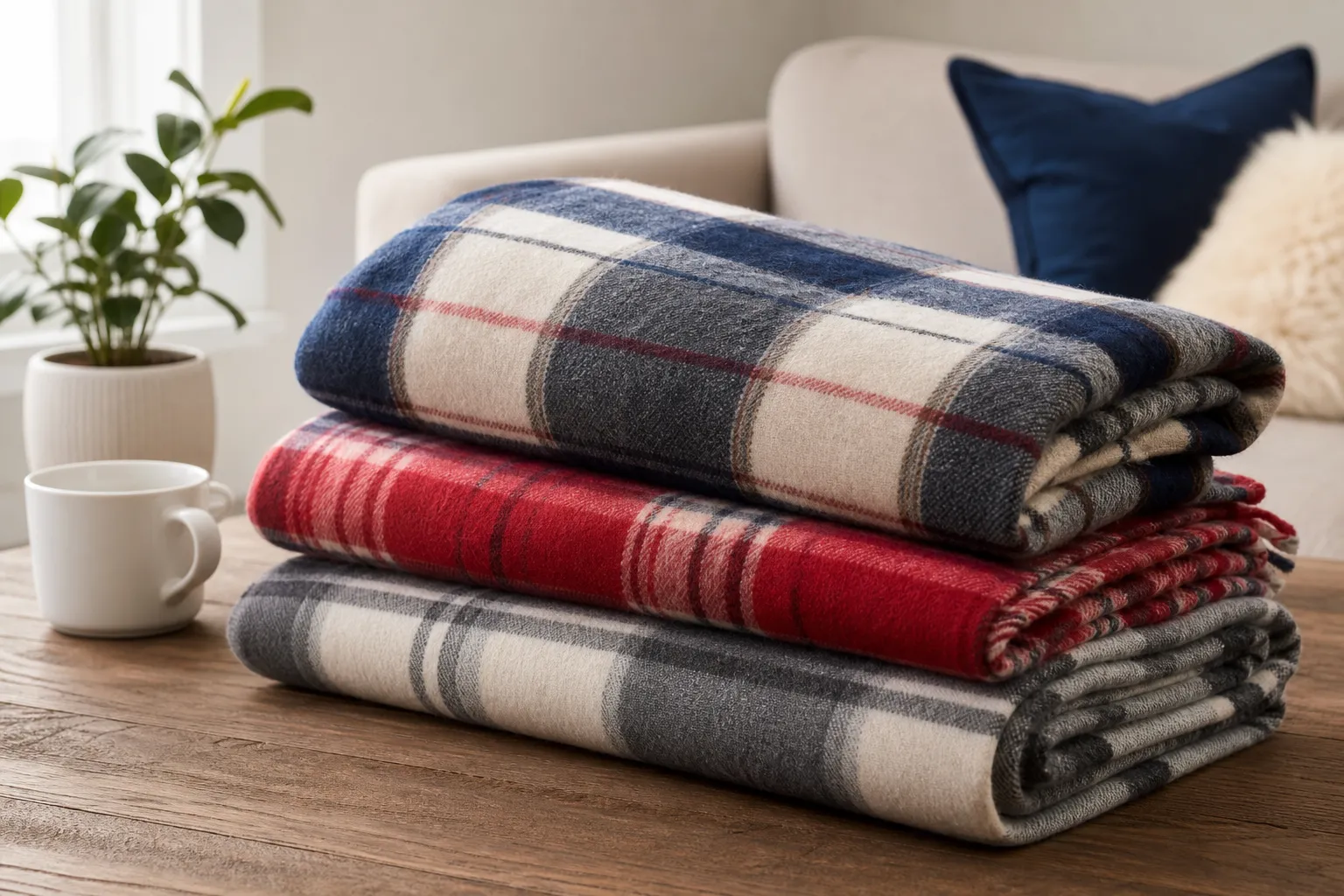
Choosing the right flannel blanket can be confusing due to the variety of options. A good flannel blanket should feel soft, provide warmth, and fit your lifestyle. Understanding the fabric’s qualities, such as breathability and durability, will help you make an informed decision. Additionally, knowing how to care for your blanket can significantly extend its lifespan.
This guide provides essential insights into flannel blankets, detailing how to select the best one, proper care techniques, and common mistakes to avoid.
Understanding Flannel Blankets
Flannel blankets, made from cotton, wool, or synthetic fibers, are known for their soft texture and warmth. They are brushed on one or both sides, creating a cozy feel, especially during colder months. Their lightweight yet insulating properties make them versatile for various settings, from snuggling on the couch to layering on a bed.
Flannel blankets excel in providing comfort at home or during outdoor activities like camping. Their breathability helps regulate body temperature, making them suitable for cool nights and slightly warmer days. Choosing a flannel blanket with the right weight is crucial; lighter blankets are excellent for summer, while heavier options are better for winter.
Keep in mind that flannel blankets can pill, especially if they are of lower quality. Opt for blankets made from high-quality fibers and follow care instructions. Regular washing in cold water and avoiding fabric softeners can help maintain texture and longevity.
Choosing the Right Flannel Blanket
Selecting the right flannel blanket involves understanding your needs in terms of size, weight, and fabric quality. Assess the intended use of the blanket. For outdoor activities, a lightweight option may be more suitable, while a heavier blanket is ideal for cozying up on the couch.
Size Matters Flannel blankets come in various sizes, including throw, twin, queen, and king. A throw blanket is ideal for personal use, while larger sizes suit beds. Measure the area where you plan to use the blanket to ensure a good fit.
Weight Considerations The weight of the flannel blanket affects warmth and portability. Heavier blankets offer more insulation, perfect for colder climates. If you live in a milder area or prefer ease of carrying, opt for a lighter blanket.
Fabric Quality Flannel blankets are typically made from cotton or synthetic fibers like polyester. Cotton flannel is soft, breathable, and durable, making it a good choice for everyday use. Polyester flannel, while often cheaper, may not offer the same comfort or breathability.
By considering these elements, you can choose a flannel blanket that meets your comfort needs and enhances your living space.
Caring for Your Flannel Blanket
To ensure your flannel blanket remains soft and lasts for years, proper care is essential. Use cold water and a gentle cycle to wash, preventing pilling or loss of softness. Harsh detergents can strip fibers, so opt for a mild detergent for delicate fabrics. Avoid bleach, as it can discolor and weaken fibers.
Air drying is the best option to maintain quality. If using a dryer, select a low heat setting to prevent shrinkage and damage. For extra protection, consider using dryer balls to fluff the blanket and reduce drying time.
Common mistakes include washing flannel with heavy items like towels or using fabric softeners, which can leave a residue. Refrain from ironing your flannel blanket; the heat can ruin its texture. If the blanket starts to lose softness, wash it with a cup of white vinegar in the rinse cycle to restore fluffiness.
Common Pitfalls to Avoid
Several common pitfalls can undermine your comfort and the longevity of flannel blankets. Recognizing these mistakes is essential for selection and care.
One frequent error is opting for lower-quality flannel that may feel soft initially but can pill shortly after use. Look for blankets labeled as “100% cotton” or “brushed” flannel, which indicates higher quality. A high thread count ensures a denser fabric that resists wear.
Neglecting proper washing instructions is another issue. Many assume all flannel blankets can be washed in hot water, leading to shrinkage and fading. Wash your blanket in cold water on a gentle cycle and tumble dry on low heat. Always refer to the care label for specific guidelines.
Storing your flannel blanket improperly can also affect quality. Avoid folding it in a way that creates deep creases or storing it in damp environments. Instead, roll the blanket or store it in a breathable cotton bag to maintain its shape.
By avoiding these common pitfalls—like choosing the wrong fabric, improper washing, and inadequate storage—you can enjoy your flannel blanket’s warmth and softness for many seasons.
Frequently Asked Questions
What are the benefits of using a flannel blanket?
Flannel blankets offer warmth, softness, and breathability, making them perfect for cold weather.
Can flannel blankets be washed in a machine?
Yes, but use gentle cycles and avoid high heat to preserve the fabric quality.
How do I choose the right size flannel blanket?
Consider the size of your bed or couch and how you plan to use the blanket, whether for decoration or warmth.
Are flannel blankets hypoallergenic?
Many flannel blankets are made from natural fibers, making them less likely to cause allergies compared to synthetic options.
What should I avoid when caring for my flannel blanket?
Avoid using bleach or fabric softeners, as they can damage the fabric and reduce its softness.